
Audi vehicles are known for their smooth performance, advanced engineering, and responsive driving experience. However, like any high-performance vehicle, an Audi can develop transmission problems over time. Whether you notice delayed gear changes, unusual noises, slipping gears, or warning lights on the dashboard, getting the issue checked early can prevent more serious and expensive damage.
Choosing a professional Audi transmission repair Dubai service is important because Audi transmissions use sophisticated components and electronic control systems that require accurate diagnosis and specialized repair procedures. A proper inspection can identify the actual cause of the problem instead of replacing parts unnecessarily.
Understanding Your Audi Transmission
The transmission is responsible for transferring power from the engine to the wheels while allowing the vehicle to operate at different speeds. Audi models may use different transmission technologies depending on the model and year, including automatic, dual-clutch, and other advanced systems.
Modern Audi transmissions combine mechanical components with electronic controls. This means a transmission problem may not always be caused by a broken mechanical part. Sometimes, the issue can involve sensors, solenoids, software, fluid pressure, or the transmission control unit.
For this reason, professional Audi transmission repair should begin with a complete diagnostic assessment.
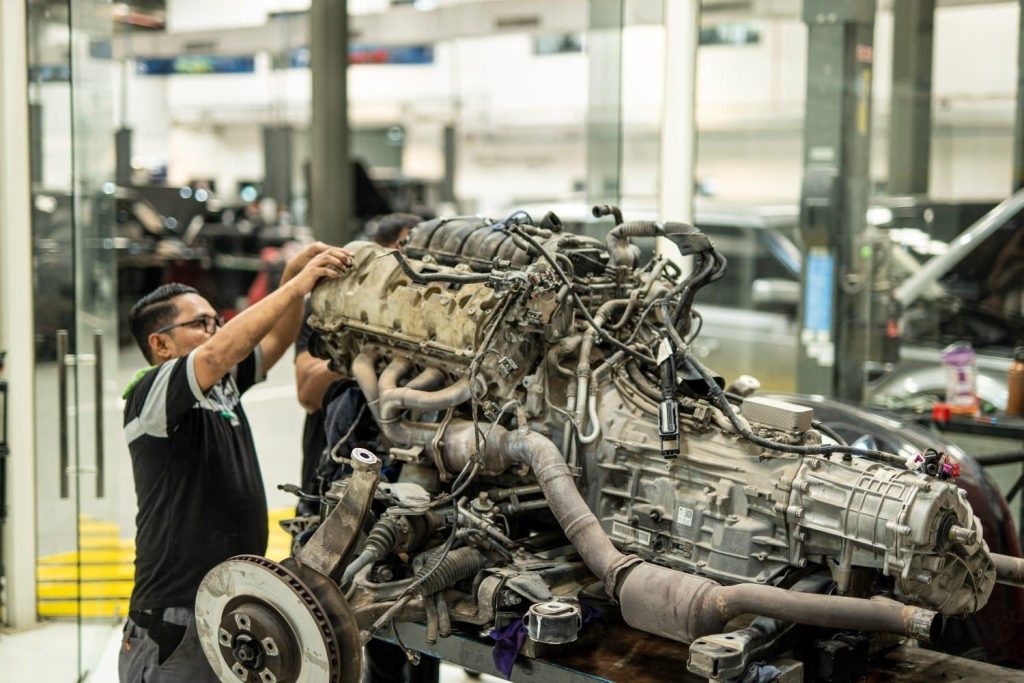
Common Signs of Audi Transmission Problems
Recognizing transmission symptoms early can help prevent a minor issue from becoming a major repair. Some of the most common warning signs include:
1. Delayed Gear Changes
If your Audi takes longer than usual to shift into drive or reverse, there may be a problem with transmission pressure, fluid condition, solenoids, or internal components.
A noticeable delay should not be ignored, particularly if it happens repeatedly.
2. Hard or Jerky Shifting
Your Audi should normally change gears smoothly. Harsh shifting, sudden jolts, or hesitation between gears can indicate an issue with the transmission system.
The problem may be related to worn components, fluid problems, electronic controls, or incorrect transmission adaptation.
3. Transmission Slipping
Transmission slipping occurs when the engine speed increases but the vehicle does not accelerate as expected. You may feel that the transmission is struggling to remain in the selected gear.
Driving for an extended period with a slipping transmission can potentially increase internal wear.
4. Strange Noises
Grinding, whining, humming, or clunking noises coming from the transmission area can indicate mechanical problems.
Different noises can point toward different issues, so technicians should inspect the vehicle rather than relying only on the sound itself.
5. Transmission Fluid Leaks
Transmission fluid plays an important role in lubrication, cooling, and hydraulic operation. A leak can reduce the fluid level and affect transmission performance.
If you notice fluid underneath your Audi, arrange an inspection as soon as possible.
6. Warning Lights
A transmission-related warning light or check-engine light should never be ignored. Modern vehicles can store diagnostic fault codes that help technicians identify electrical and mechanical problems.
Why Professional Car Transmission Repair Matters
Transmission systems contain numerous components that must work together correctly. Attempting repairs without proper diagnostic equipment and technical knowledge can result in incorrect part replacement or further damage.
Professional car transmission repair typically starts with a diagnostic scan and physical inspection. Technicians may check transmission fluid condition, leaks, electronic fault codes, operating temperature, gear engagement, and other performance characteristics.
The goal is to identify the root cause before deciding whether the transmission requires a minor repair, component replacement, or complete overhaul.
What Is an Automatic Transmission Overhaul?
An automatic transmission overhaul is a more extensive repair procedure than a basic service or component replacement.
During an overhaul, the transmission may be removed from the vehicle and carefully disassembled. Internal components are inspected for wear, damage, contamination, or other problems. Depending on the condition, worn components such as seals, gaskets, bearings, clutches, or other internal parts may need replacement.
The transmission is then reassembled according to the manufacturer’s technical requirements and tested to verify proper operation.
An overhaul can be a practical option when a transmission has significant internal wear but the main transmission housing and other major components remain suitable for continued use.
When Is a Transmission Overhaul Necessary?
Not every transmission problem requires a complete rebuild. A technician should determine the appropriate repair based on the condition of the transmission.
A transmission overhaul may be considered when there is:
- Significant internal component wear
- Repeated gear slipping
- Severe shifting problems
- Damaged clutch packs
- Internal fluid contamination
- Worn bearings or seals
- Persistent transmission pressure problems
- Mechanical damage that cannot be resolved through a minor repair
A proper diagnosis is essential before choosing an overhaul. In some cases, replacing a specific faulty component may solve the problem without rebuilding the entire transmission.
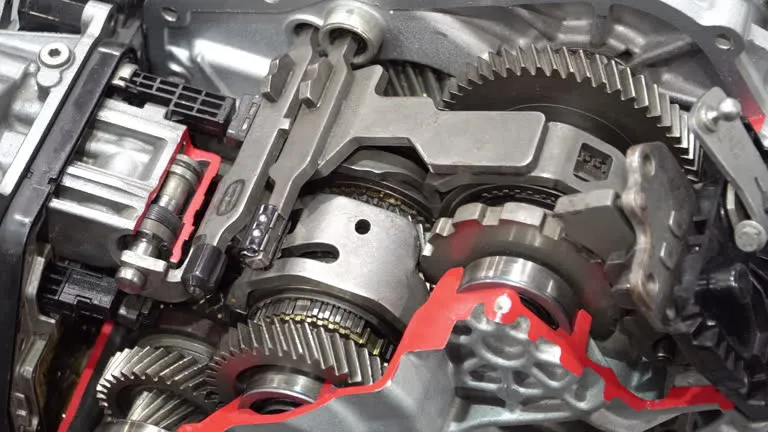
Audi Transmission Maintenance Tips
Regular maintenance can help extend the life of your Audi transmission. One of the most important steps is following the correct service schedule for your particular model.
Transmission fluid should be inspected and replaced according to the manufacturer’s recommended requirements. Using the correct fluid is especially important because different transmission systems can require specific fluid specifications.
It is also wise to pay attention to changes in driving behavior. If your Audi begins shifting differently, hesitating, making unusual noises, or displaying warning lights, have it inspected promptly.
Avoiding unnecessary delays can help prevent small problems from developing into expensive internal damage.
How Technicians Diagnose Transmission Problems
A professional transmission inspection involves more than simply connecting a diagnostic scanner.
A technician may begin by discussing the symptoms and driving conditions under which they occur. The vehicle can then undergo computer diagnostics to identify stored fault codes.
A road test may also be performed to evaluate gear changes, acceleration, engagement, and unusual behavior. Physical inspections can identify fluid leaks, damaged components, or other visible issues.
If internal damage is suspected, additional testing may be necessary. This systematic approach helps ensure that the repair addresses the actual problem.
Choosing an Audi Transmission Repair Specialist in Dubai
Dubai’s driving conditions can place additional demands on vehicle systems. High temperatures, traffic congestion, frequent stop-and-go driving, and extended periods of vehicle use can all contribute to wear.
When searching for Audi transmission repair Dubai, consider a workshop that has experience working with Audi vehicles and modern transmission systems.
A reliable repair center should provide clear diagnostic information, explain the recommended repair, and communicate which components require attention. It is also important to ask about the repair process and any warranty or service support provided.
For specialized Audi transmission diagnostics, repairs, and overhaul services, Royal Car Experts can be considered when looking for professional automotive assistance in Dubai.
Frequently Asked Questions
1. How do I know if my Audi transmission needs repair?
Common signs include slipping gears, delayed engagement, hard shifting, unusual noises, fluid leaks, and transmission warning lights. If you notice one or more of these symptoms, professional diagnosis is recommended.
2. How long does Audi transmission repair take?
The repair time depends on the problem. A minor electrical or fluid-related issue may take less time, while internal repairs or an overhaul can require considerably more time because the transmission may need to be removed and disassembled.
3. Is an automatic transmission overhaul better than replacing the transmission?
It depends on the condition of the transmission. An overhaul can restore a transmission when its major components remain serviceable, while replacement may be more suitable when there is extensive damage. A professional inspection should determine the best option.
4. Can I drive my Audi with transmission problems?
It is generally better to avoid unnecessary driving when serious transmission symptoms appear. Continuing to drive with slipping, overheating, severe shifting, or fluid loss can potentially make the problem worse.
5. How can I prevent Audi transmission problems?
Follow the recommended maintenance schedule, use the correct transmission fluid, address leaks quickly, and have unusual shifting or noises inspected early. Regular professional diagnostics can also help identify developing problems before they become severe.
Conclusion
Your Audi transmission plays a critical role in delivering smooth acceleration, efficient power transfer, and a comfortable driving experience. Problems such as slipping gears, delayed engagement, harsh shifting, unusual noises, and fluid leaks should not be ignored.
Professional Audi transmission repair Dubai can help identify the underlying issue and determine whether the vehicle needs a minor repair, component replacement, or automatic transmission overhaul. With timely diagnosis and proper maintenance, you can reduce the risk of extensive transmission damage and keep your Audi performing reliably on Dubai roads.